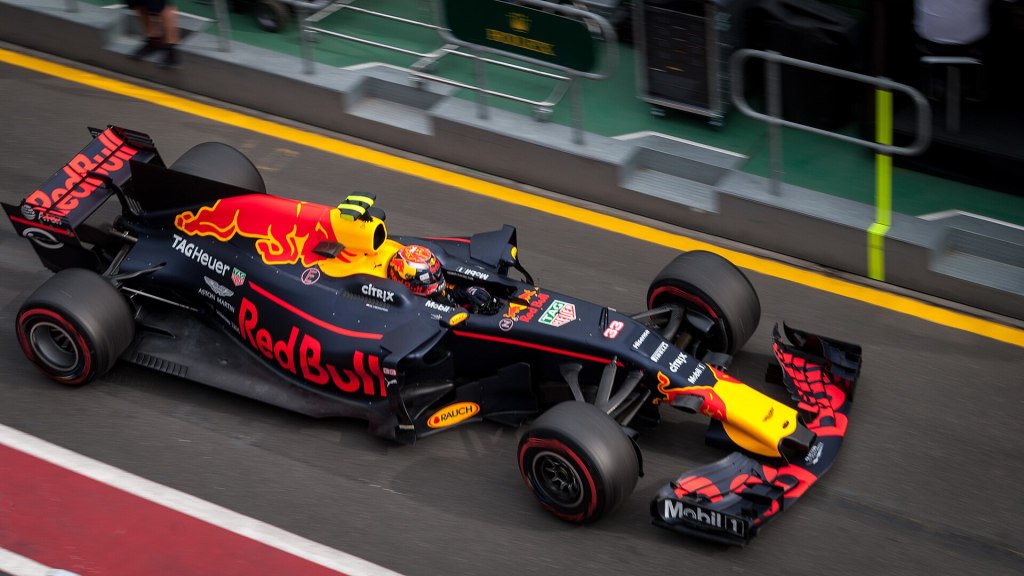
In 2019, Formula One introduced a point system, which awarded drivers for setting the fastest lap during the session. The singular point, however would prove to be very controversial. It’s short lifespan reflected this as the fastest lap point would be removed before the start of the 2025 season. The point was awarded to any driver in the top 10 after setting a record lap time of the session. This model however fell under criticism as many fans claimed it could be used to manipulate championship standings, or that the point allowed for too much gamesmanship.
As cars burn fuel throughout the race, their lighter weights allow for faster lap times. Combined with new tyres, and a window to put while maintaining position, it often cultivated artificial late race stops, rather than real racing. This led to many fans claiming the point was synthetic, and not based on true race pace, but rather how far the driver behind you was. This contributed to a feeling that the fastest lap points were often merely a matter of circumstance, rather than pace. This also meant that cars that were deep in the pack, and outside of the top 10 could adopt a nothing to lose mentality, pitting late and pushing hard for fastest lap, just to prevent top championship contenders from claiming the additional point. As due to the current rules, drivers not in the top 10 could not receive any points, even fastest lap points, if a driver further back in the pack was awarded the point, it would effectively be null. In a very controversial race in Singapore, Daniel Ricciardo, of V.C.Racing Bulls, Red Bull’s junior team was pitted late in the race, a strategic attempt to prevent Lando Norris to receive more points. This slowed Norris in catching Red Bull’s linchpin, Max Verstappen in the 2024 World Driver’s Championship. The race was heavily condemned, as Red Bull’s effective ownership and command of two sister teams allowed for an unfair, corporate loophole, in which Verstappen’s race wasn’t compromised, despite the risk. The race also highlighted how the point highly benefited more powerful teams on the grid. Not only does a better team mean faster drivers, and thus more likelihood for the point, but a stronger team opened possibilities for toying with drivers for max benefit. For example, faster teams could ensure maximum points by having a lead driver strive for a win, while driver number 2 gets pitted late in the race, for an extra point awarded to the driver, and the constructor.
Embed from Getty ImagesDaniel Ricciardo in the media pen after the Controversial Singapore Grand Prix, 2024
Due to the increasing strategic manipulation and controversial late race team tactics, the FIA and Formula 1 made the decision to drop the fastest lap bonus point completely starting from the 2025 season. Overall, the fastest lap was a very divisive award, defining races and championships. Now, the Formula One fastest lap serves as an honorary award, not a strategic consideration. Without the motivation to push to the extreme for points, teams are able to focus on race pace, as the fastest lap point fades into something of the past.
 The Race Insider
Leave a comment