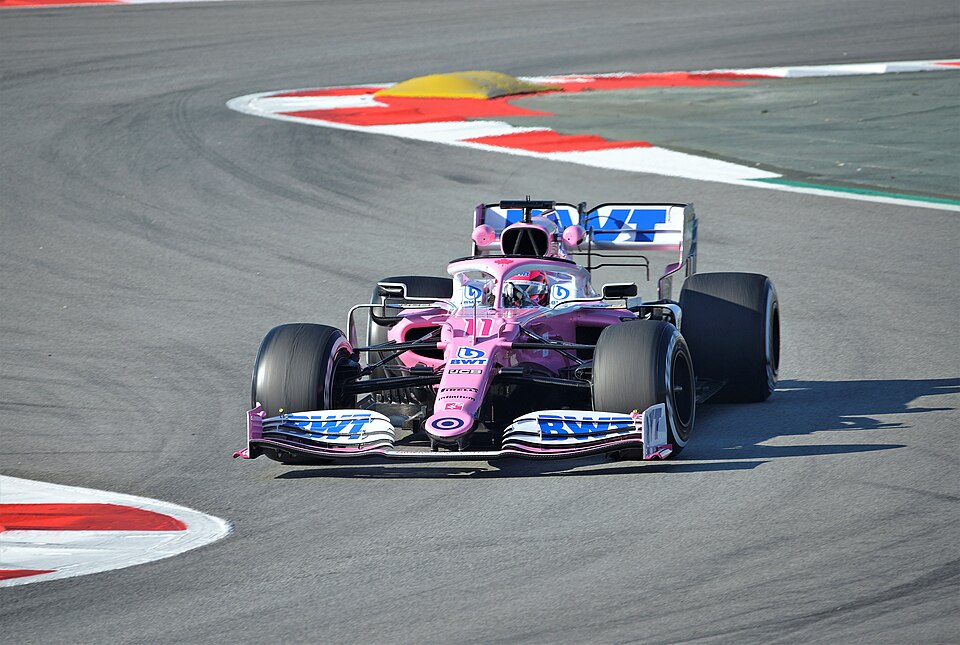
Formula 1 has had sprint races for six years, debuting during the 2021 season at the British Grand Prix. However, since their inauguration, fans have been split over whether or not the sprint “shootout” events are good for the sport.
Embed from Getty ImagesAn F1 sprint weekend is a revised race format that condenses the usual three day event, to make room for a standalone 100 kilometer (approximately 30 minute) race on Saturday. Unlike traditional weekends with three practice sessions, sprint weekends pack in two distinct qualifying sessions and two separate races across the three days. With 2026 featuring six sprint races sprinkled throughout the season, the races provide an excellent opportunity for drivers to scoop up additionally points. Formula 1 Sprint races award points to the top eight finishers, with 8 points for first place, and the value gradually reducing to 1 point for eighth place. These valuable championship points award drivers and teams who prove to be fast in 1/3 of the race distance. In addition to points, the lack of pit stop requirements can lead to more “flat-out” racing, and the format boosts attendance to the track, giving fans attending the track on Fridays and Saturdays more meaningful sessions to watch.
Despite these pros, many Formula 1 fans dislike the format. For one, the format often creates processional racing, with drivers hesitant to push hard to avoid wrecking their cars before the main Grand Prix. Because of F1’s strict budget caps, teams cannot afford unnecessary crashes. The minor points offered for finishing in the points for the short format is not worth it in the eyes of many teams, who do not want to risk ruining their weekend. This risk-averse racing is amplified by the lack of pit-stops, which removes one of the most strategically thrilling and race-deciding parts of the race out of the event. With the event not mandating tyre changes, the sprints often settle into an order determined by the car’s pace, which is not only similar to previous races, but also spoils the Grand Prix. Sprints expose the true pace of teams and the performance of cars, removing excitement from Sunday’s main event. This takes away the element of surprise, making the Grand Prix more predictable. Additionally, the short dashes can ruin Sunday’s unpredictability by giving teams an extended practice run to analyze tire degradation and car setup. Some fans also feel that the Grand Prix should be the ultimate, singular event of the weekend. Sprints alter the historical rhythm of a race weekend, devaluing the traditional prestige of winning a traditional Grand Prix. Also, Sprint races replace traditional practice sessions with more competitive sessions, stripping teams of valuable time to dial in their setups, forcing mechanics and engineers to utilize data that may not be accurate or complete.
Embed from Getty ImagesThe main reason the Sprint race was introduced was to spice up race weekends, raise ticket sales, and bring in more sponsors. Unfortunately, when you look at a Sprint races, instead of the pure racing you would hope for, they often come off as gimmicky, commercialized racing, marginalizing older fans. Moreover, it has not yet been seen that featuring a sprint increases ticket sales. Bobby Epstein, the chairman of the Circuit of The Americas (COTA) track in Texas, revealed that the Sprint events do little for attendance.
Overall, while some fans enjoy the Sprint format, the bite-sized races add a sense of commodification to the sport. While the event has drivers and fans divided, the event only takes place a moderate 6 times per season, only taking place during 1/4 of the race weekends (after the cancellation of the Bahrain Grand Prix and the Saudi Arabian Grand Prix, this percentage raises from 25% to around 27% of Grand Prix weekends). Additionally, F1 continues to tweak things constantly behind the scenes, so fans could soon see a revitalized Sprint format in the works. So, despite the divisive nature of F1’s sprints, they happen infrequently enough to not completely overhaul the historic prestige of the race weekend. While Sprint races remain to be unpopular, over the years, they have contributed to some incredibly memorable moments, such as Hamilton’s iconic 2021 charge from 20th to 5th, Oscar Piastri’s first-ever F1 victory, and a chaotic Spa 2023 in the rain, the format has potential, but it’s up to the FIA to maximize it.
Embed from Getty Images The Race Insider
Leave a comment