Almost anyone can tell you that F1 is a very competitive sport that requires massive talent to even get started. Or at least that’s how it was intended. As Formula One continues to push to monetize more and more, it is becoming strikingly clear that Formula One is beginning to run like a business and less like a racing series. As ticket prices skyrocket, and drivers with no talent continue to hog exclusive seats, the so-called “Pinnacle of Motorsport” is loosing global credibility, and quickly.
For one, Formula 1’s transition to global entertainment, led by Liberty Media, has caused ticket and hospitality prices to skyrocket. Events at glitzy, city based circuits, such as the Las Vegas Grand Prix, routinely cost thousands of dollars for basic grandstand seats. This results in severe pricing and accessibility issues, even when fans continue to site tracks such as these as among their least favorites. This shift leaves behind the die-hard, working class supporters who built the sport’s history over decades. The calendar has expanded to accommodate massive race hosting fees paid by new markets. This pursuit of higher dollar events is gradually replacing classic, purpose built racing circuits with artificial city tracks designed largely for spectacle rather than high-quality, competitive racing. These new races also prioritize corporate revenue over the local community. This often results in blocked views of city landmarks to force ticket sales and massive financial losses for local independent businesses.
Embed from Getty ImagesF1 has also recently turned it’s corporate gaze more strongly onto American markets. While F1 has historically, and successfully raced in the United States, the newer, more aggressive push to conquer the American market is causing a deep rift between traditional motorsport values and corporate entertainment.
Embed from Getty ImagesSince Liberty Media acquired the sport, the focus has shifted heavily toward the United States, driven by the massive success of Netflix’s Drive to Survive. While this has exploded F1’s revenue, critics, drivers, and purists argue that the “Americanization” of F1 is fundamentally altering, or ruining the core identity of the sport. For example, some people believe an increased emphasis on pre-race spectacles, entertainment, and American-style flair has distracted from the actual racing product. Many fans and drivers feel this shift prioritizes celebrities and VIPs over long-time, die-hard spectators.
Embed from Getty ImagesDTS, the movie, Hollister, cultivating the “aesthetic of F1”
Furthermore, the dramatization and popularization of Formula 1 creates an environment where people who cultivate the “aesthetic” of Formula One are more important than die-hard fans. The rise of Netflix’s Drive To Survive is the biggest perpetrator in this problem, spinning false hero-vs-villain dramas, when in reality there is often nothing there. Instead of actually discussing the sport, F1 media contorts into soap operas where exaggeration, and misinterpretation contaminate the sport’s reputation. The rise of F1 on social media has even led to such high levels of toxicity that after on-track mistakes, hundreds of people have resorted to sending death threats to drivers. As drivers are already under heavy scrutiny and pressure, the echo chamber of social media and drama-chasing “fans” leave marks on the sport’s legacy. Moreover, fast fashion collaborations like Hollister cater to lifestyle consumers who follow drivers for their looks or social media presence rather than the technical sport. While there is nothing wrong with series like DTS, or the highly unrealistic F1 movie being your entry point to F1, many people consider themselves knowledgeable enough after watching these, escalating small conflicts into larger events, prioritizing entertainment over real racing. This shifts Formula 1’s identity from an elite engineering competition to a reality television drama. The influx of casual, high net worth fans has caused ticket prices to skyrocket, making live races inaccessible to historical working-class fanbases. All of this can be traced back to the commercialization of Formula One.
Embed from Getty ImagesPerhaps the most controversial side of Formula One’s monetary system is that of the “pay driver.” While it is undeniable that all of motor sport is expensive in some regard, the massive inflating costs of Formula One continues to marginalize talented drivers who lack funding. As the road through junior series can cost a driver upwards of $4 million USD, wealthy backing remains an undeniable advantage in funding the expensive junior karting and feeder series. Because these series lack the strict cost caps seen in F1, a “bidding war” over seats occurs where the wealthiest teams and academies can set premium prices. Even current talented drivers like Ferrari’s Charles Leclerc, and Ferrari’s Sir Lewis Hamilton, and Aston Martin’s Fernando Alonso (all of whom have a collective World Driver’s Championship tally of 9 years), struggled with funding during early career years, when the price tag was comparatively lower. Mercedes’s George Russell even says that he thinks upcoming drivers now need millionaire families in order to make it to F1 to counteract the raising entry costs. This “pay-to-play” crisis effectively transform the sport into a “pay-to-win” ecosystem. Even established stars and champions have had to shell out millions to secure and buy their seat time or test opportunities in the highly competitive junior pipeline. Even at the elite F1 level, the “pay driver” model persists despite cost caps. While F1 implements a $135 million budget cap for constructors, driver salaries and marketing are completely excluded. Smaller or financially strapped F1 teams often require drivers to bring heavy external sponsorship or personal wealth to secure a race seat. This allows drivers with significant financial backing to edge out more naturally gifted, but less wealthy, racing talents. This could drive away future talent, who can’t out-pay trust-fund drivers that ensure financial stability for teams.
Embed from Getty ImagesLewis Hamilton’s father had to work four jobs to pay for his son’s career
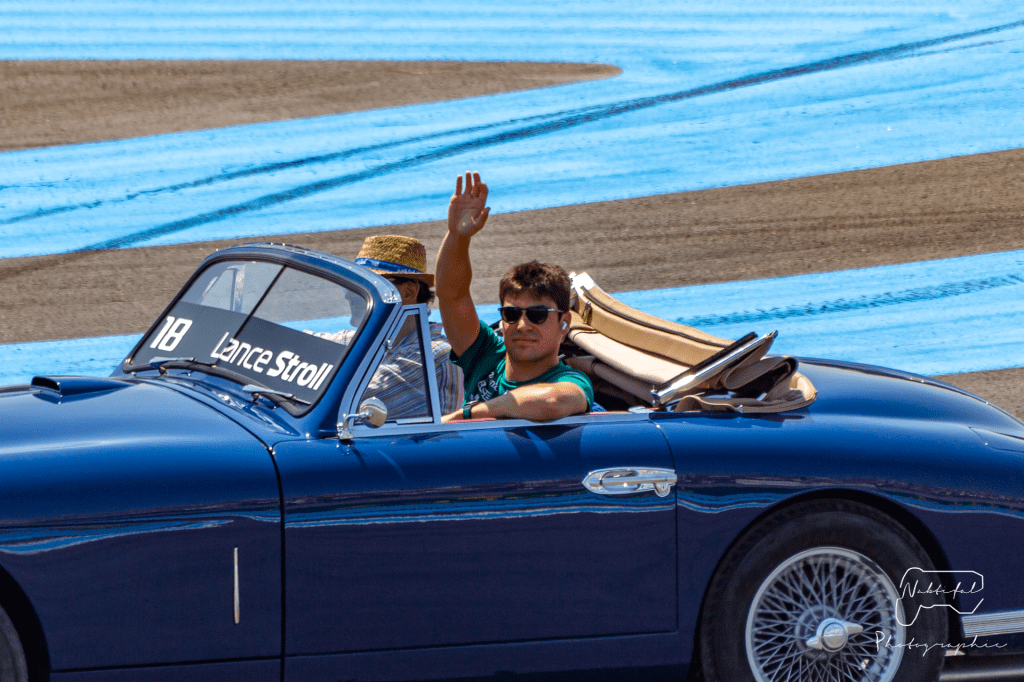
While historically celebrated drivers like Niki Lauda and others are considered pay drivers, their talent offsets criticism as the modern system allows for less talented and often dangerous drivers to enter the sport. Drivers like Pastor Maldonado, Nikita Mazepin, Nicholas Latifi and Lance Stroll often receive criticism for their reckless driving, or for their mediocrity compared to more competitive drivers who lack the financial power. Consequently, this makes talent less and less important in the sport. Despite the introduction of a cost cap, the massive financial disparity between racing teams, and the immense costs of junior racing series, have preserved the “pay driver” dynamic. Wealthy sponsors or financial backing often weigh heavier than raw racing talent when teams select their rosters, effectively shutting out gifted drivers who lack the necessary financial backing.
Formula One’s commercialization leads to an organization focused on hoarding money, and the isolation of dedicated fans.
 The Race Insider
Leave a comment