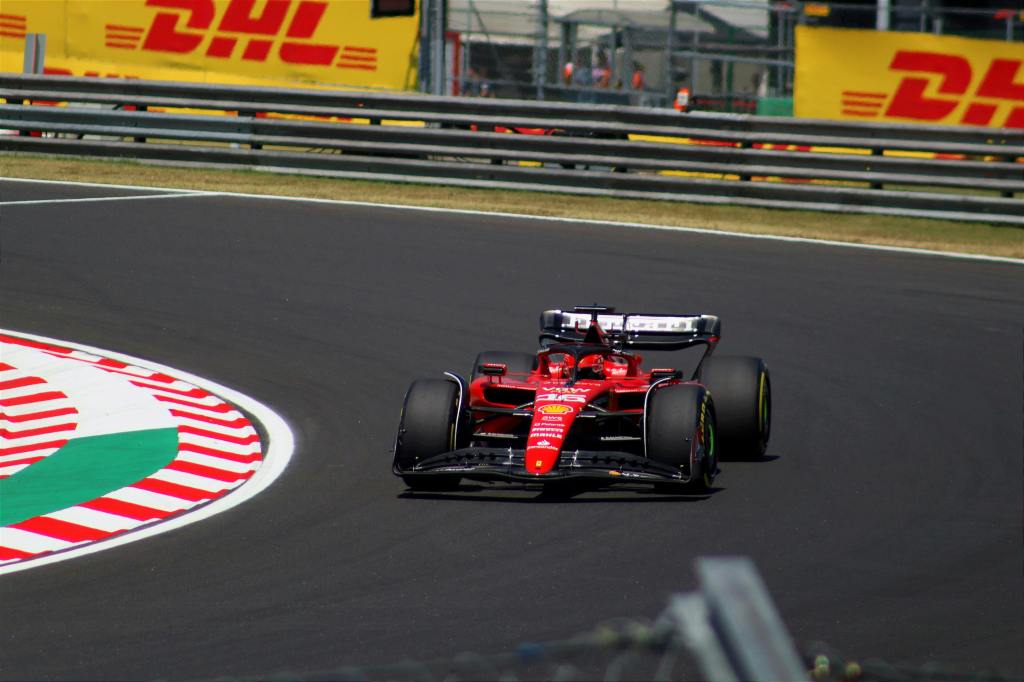
The V8 engine powered Formula 1 from 2006 to 2013, leaving fans with memorable moments such as the 2006 battle between Michael Schumacher and Fernando Alonso, the debut of Lewis Hamilton in 2007 and the complete dominance of Sebastian Vettel, who won four consecutive titles from 2010 to 2013. Since 2014, Formula 1 has embraced the 1.6-liter V6 turbo-hybrid era. However, as of the 2026 F1 season, FIA President Mohammed Ben Sulayem has confirmed a major return to V8 engines for either the 2030 or 2031 season.
The decision is largely a response to widespread dissatisfaction with the current V6 hybrid engines, which many drivers, including Max Verstappen, have criticized as “anti-racing”. The current hybrids are also extremely expensive to develop, often exceeding $200 million, making them unaffordable for many smaller teams or potential new entrants. The heavy batteries required for modern 50/50 electric-combustion splits have made cars bulkier, and led to weight issues. Switching back to a simpler V8 could reduce car weight by an estimated 176 lbs.
F1 launched its sustainability strategy in 2019, targeting a 50% reduction in emissions by 2030 compared to 2018 levels, with 26% already achieved by 2024. Rather than relying on massive batteries, the new V8s will run on 100% sustainable fuels, allowing the sport to continue its environmental push while keeping “real racing engines.”
Unlike the current 50/50 power split, the new V8s will feature a much smaller hybrid element (roughly 10–20%) to ensure they remain relevant to automotive manufacturers like Mercedes and Ferrari. By reducing the “clipping” effect, where cars lose power when the battery drains, the focus will return to pure engine performance and driver skill. While brands like Audi were initially hesitant, the FIA’s ability to force the change by 2031 has pushed many manufacturers toward a compromise for 2030.
Mercedes team boss, Toto Wolff has expressed strong support for the return of a “real racing engine,” which the team boss describes as “a pure Mercedes engine.” Wolff states that the V8 engine carries “only great memories” for the German team, who appear excited about the change.
Similarly, Red Bull’s Laurent Mekies supports the move, noting that Red Bull’s partnership with Ford, a brand with a deep V8 heritage, makes the prospect “pretty cool” for their team. Combined with Verstappen’s criticism of the engine in the past, the future of the Red Bull team looks bright when powered by V8 engines.
Embed from Getty Images“It’s coming. At the end of the day, it’s a matter of time”
– Ben Sulayem
 The Race Insider
Leave a comment